Ever wondered why your drains sometimes act up? The secret often lies above, with the vent pipes. These unsung heroes ensure smooth drain flow by balancing air pressure and preventing sewer gases. Understanding their function can transform your home plumbing experience, making maintenance a breeze. Dive in to discover how vent pipes keep everything flowing just right.
Sommaire
ToggleUnderstanding vent pipes
Vent pipes play a crucial role in your home’s plumbing system. They allow air to enter the pipes, which helps waste water flow smoothly through the drains. Without proper ventilation, your drains could clog, leading to potential damage. Vent pipes also prevent sewer gases from entering your home, ensuring a healthy environment. Regular checks for blockages or damage keep them functioning optimally. If issues arise, consulting a professional ensures proper maintenance.
What are vent pipes?
Vent pipes, also known as plumbing vents, serve a crucial role in your home’s drainage system. They allow air to enter the plumbing system, ensuring water flows smoothly through pipes. Without proper venting, negative pressure could disrupt water flow, leading to slow drains or clogs. Vent pipes also expel sewer gases from the system, maintaining a healthy indoor environment. Typically, they extend from the roof, connecting to main drain lines. This integration ensures optimal drain flow and prevents harmful gas buildup.
How vent pipes work
Vent pipes allow air to enter the plumbing system, which maintains neutral air pressure and facilitates effective drainage. By preventing vacuum formation, they ensure smooth water flow and help avert potential clogs. Additionally, vent pipes expel sewer gases, enhancing the overall safety and functionality of your home’s plumbing.
Importance of vent pipes in drainage systems
Vent pipes play a crucial role in drainage systems by enhancing functionality and preventing issues. They ensure air circulation, balance pressure, and stop sewer gases from entering homes. Regular maintenance prevents problems. Consider these benefits:
- Improves drain efficiency
- Prevents clogs
- Eliminates odors
- Reduces plumbing strain
Enhancing drain flow
Vent pipes play a crucial role in ensuring optimal drain flow. They allow air to enter the plumbing system, preventing vacuums that can hinder water movement. By maintaining equilibrium, vent pipes help avoid slow drainage and potential clogs. Regular maintenance ensures these pipes perform efficiently. Consider improvements to drainage systems to boost overall plumbing performance.
Preventing sewer gases
Vent pipes play a crucial role in preventing sewer gases from entering your home. They allow gases to escape, maintaining air pressure. Ensure vents remain clear with regular maintenance. Consider these steps:
- Inspect vent caps for debris.
- Check for corrosion or damage.
- Contact a plumber for persistent issues.
Common issues with vent pipes
Vent pipes often face blockages from debris, leaves, or even bird nests, affecting proper air flow. This can lead to slow drainage and unpleasant odors seeping into your home. Recognizing signs like gurgling sounds or frequent clogs helps in addressing these vent pipe issues promptly.
Blockages and their impact
Blockages in vent pipes can severely hinder drain performance by disrupting air flow, causing slow drainage and unpleasant odors. Debris or bird nests often block vent pipes, leading to increased pressure and potential pipe damage. Regular checks and simple solutions for pipe clogs help maintain optimal functionality and prevent costly repairs.
Signs of vent pipe problems
Homeowners may notice slow drainage or gurgling sounds in sinks and toilets as signs of vent pipe issues. Unpleasant sewer odors also indicate potential blockages or leaks in the vent pipe system. Another sign includes bubbling water in the toilet bowl after flushing. Addressing these problems promptly helps maintain effective plumbing performance.
Maintaining your vent pipes
- Inspect vent pipes regularly for debris or clogs.
- Listen for gurgling sounds in drains.
- Check for unpleasant odors near fixtures.
- Look for water stains on walls or ceilings.
- Ensure vent caps remain intact and undamaged.
- Consult a plumber for persistent issues.
Regular maintenance of vent pipes ensures optimal drain flow and prevents unpleasant odors.
Regular inspection tips
Regular inspection of vent pipes ensures optimal plumbing performance. Identifying issues early prevents costly repairs.
- Check for visible cracks or damage.
- Ensure proper seals around pipe joints.
- Clear debris from vent openings.
- Listen for unusual noises.
In addition to vent pipes, consider kitchen drainage upkeep methods for comprehensive system maintenance.
DIY maintenance versus professional help
Homeowners often face the decision between DIY maintenance and hiring professionals for vent pipe care. DIY methods can include regular cleaning and visual inspections. These approaches offer budget-friendly plumbing solutions but require time and basic plumbing skills. In contrast, professional help ensures thorough assessment and long-term efficiency. Weighing costs against potential issues helps decide the best option. For complex problems, expert intervention remains the safest choice.
Practical examples and tips
- Install larger vent pipes to improve air circulation.
- Ensure vent pipes remain clear of debris and obstructions.
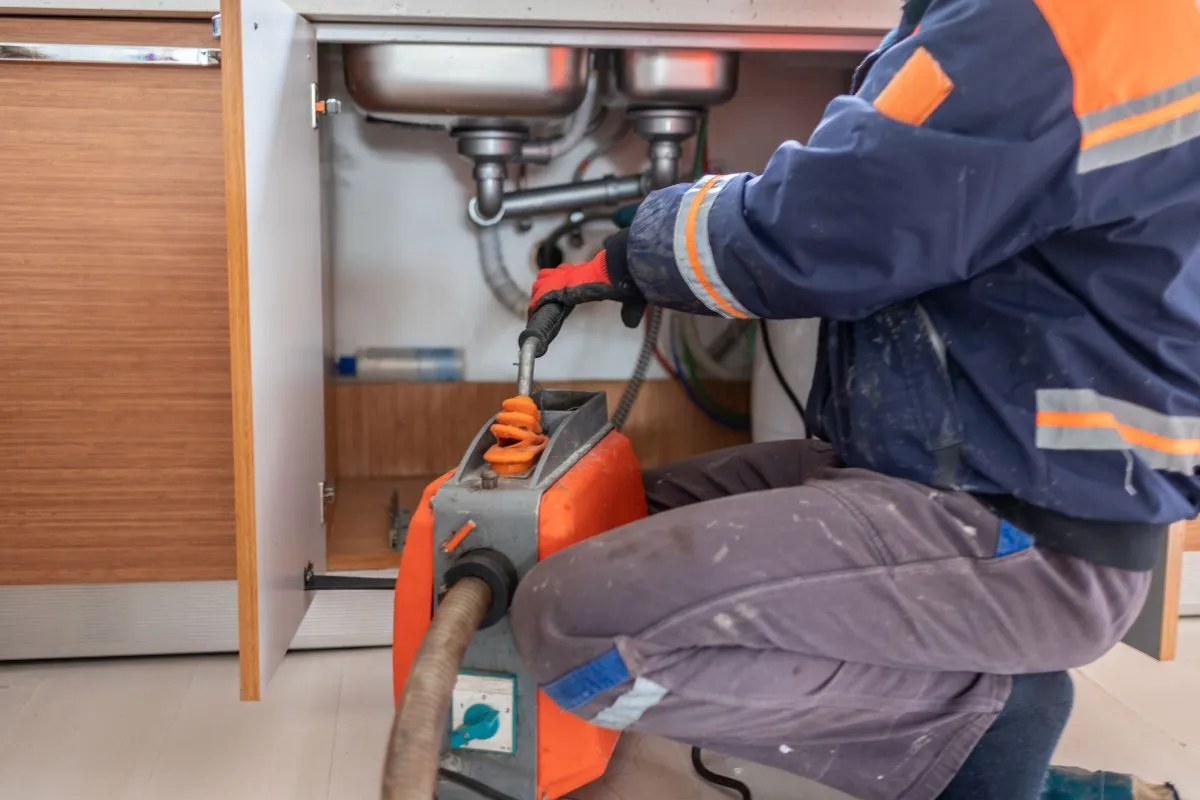
- Use a snake tool for minor blockages.
- Consult a plumber for complex vent pipe issues.
Effective vent pipe systems enhance your home’s drainage. Regular maintenance and strategic improvements prevent common plumbing issues. Simple DIY tasks can resolve minor problems. For major concerns, professional assistance ensures optimal performance.
Case studies of effective vent pipe systems
Proper vent pipe systems ensure optimal drainage and prevent sewer issues. Consider these effective examples:
- A suburban home utilized a vent stack to eliminate negative pressure.
- An apartment complex installed air admittance valves to enhance airflow.
- A rural property combined traditional and modern venting for seamless flow.
- A historic house upgraded its vent pipes, reducing blockages significantly.
These case studies demonstrate successful strategies, improving vent pipe efficiency and overall system performance.
Tips for improving vent pipe efficiency
To boost vent pipe efficiency, ensure proper installation with the right slope and diameter. Inspect for blockages like leaves or debris regularly. Install screens or caps to prevent foreign objects. Check for any unusual odors, indicating potential issues. Keep an eye on water levels in toilets; fluctuations might signal vent problems. Consider thermal insulation to reduce condensation. Engage a professional for complex repairs. Regular maintenance not only prevents costly repairs but also enhances overall plumbing performance.
FAQ
How do vent pipes enhance drain flow?
Vent pipes allow air to enter the plumbing system. This equalizes pressure and prevents vacuum formation, ensuring smooth water flow.
Why are vent pipes crucial in preventing sewer gases?
They release trapped gases out of the home. This keeps harmful odors and gases like methane from entering living spaces.
What are common signs of vent pipe blockages?
Slow drainage and gurgling sounds indicate vent pipe issues. Unpleasant odors may also signal blockages.
How often should vent pipes be inspected?
Inspect vent pipes annually. Regular checks help identify potential issues early, ensuring optimal performance.