Got pesky odors wafting from your sink? Keeping your kitchen fresh doesn’t have to be a chore. With simple kitchen drain maintenance techniques, you can ensure a clean, odor-free environment. Discover practical tips and tricks that save money and time while tackling common issues. Let’s dive into effective strategies for a spotless kitchen experience.
Sommaire
ToggleUnderstanding kitchen drain maintenance
Maintaining a kitchen drain involves understanding its role and the need for regular upkeep. Regular maintenance prevents clogs and odors, ensuring a hygienic kitchen environment. Common culprits include grease buildup, food particles, and soap residue. These can obstruct water flow and cause unpleasant smells. Consistent cleaning with simple tools like a plunger or a plumber’s snake helps keep drains clear. Using hot water and baking soda occasionally can dissolve residue. Recognizing signs of blockage early saves time and money. By embracing these habits, one ensures a clean and efficient kitchen.
Importance of regular maintenance
Regular kitchen drain maintenance prevents odors and blockages. Ignoring upkeep leads to costly repairs and unhygienic conditions. Establishing a routine upkeep plan ensures drains remain clear and functional. Regular checks and cleanings extend the lifespan of plumbing systems. Consistent maintenance also reduces the risk of unpleasant surprises. Implementing these practices keeps kitchens fresh and efficient.
Common causes of kitchen drain odors
Kitchen drain odors often arise from common culprits. Identifying these causes helps in maintaining a fresh-smelling kitchen environment.
- Food particles trapped in the pipes
- Grease buildup coating the drain walls
- Rotting organic matter inside the plumbing
Simple maintenance techniques
- Pour déboucher, utilisez une ventouse régulièrement.
- Versez de l’eau bouillante pour dissoudre la graisse.
- Employez une solution de vinaigre et de bicarbonate.
- Nettoyez les grilles pour éviter les obstructions.
Des techniques simples gardent les canalisations fonctionnelles et sans odeur. Un entretien régulier prévient les problèmes coûteux et assure une cuisine hygiénique.
Routine cleaning methods
Routine cleaning of kitchen drains ensures efficient function and fresh odors. Incorporate these simple techniques into regular cleaning habits:
- Flush with hot water weekly to dissolve grease.
- Use a mixture of baking soda and vinegar monthly for natural cleaning.
- Scrub drain covers with a brush to remove residue.
- Pour salt and boiling water to clear minor blockages.
- Rinse with lemon juice to neutralize odors.
These methods provide effective and cost-efficient solutions for kitchen drain maintenance, ensuring a clean and odor-free kitchen environment.
Natural cleaning solutions
Natural solutions offer eco-friendly ways to clean kitchen drains effectively. These methods help avoid harsh chemicals and maintain a fresh environment.
- Pour boiling water to dissolve grease.
- Use baking soda and vinegar for odor removal.
- Mix salt and hot water to scrub the pipes.
- Utilize lemon juice for a fresh scent.
Preventive measures to avoid odors
Preventing odors in kitchen drains involves a few proactive steps. Start with regular maintenance and mindful practices. Installing drain covers helps catch food particles before they enter the pipes. Proper waste disposal plays a crucial role. Avoid pouring grease or oil down the sink. Instead, dispose of it in a separate container. Incorporate these preventive measures:
- Use hot water to rinse the drain weekly
- Flush with a mixture of vinegar and baking soda monthly
- Dispose of food scraps in the trash, not the sink
- Clean the garbage disposal blades regularly
Installing drain covers
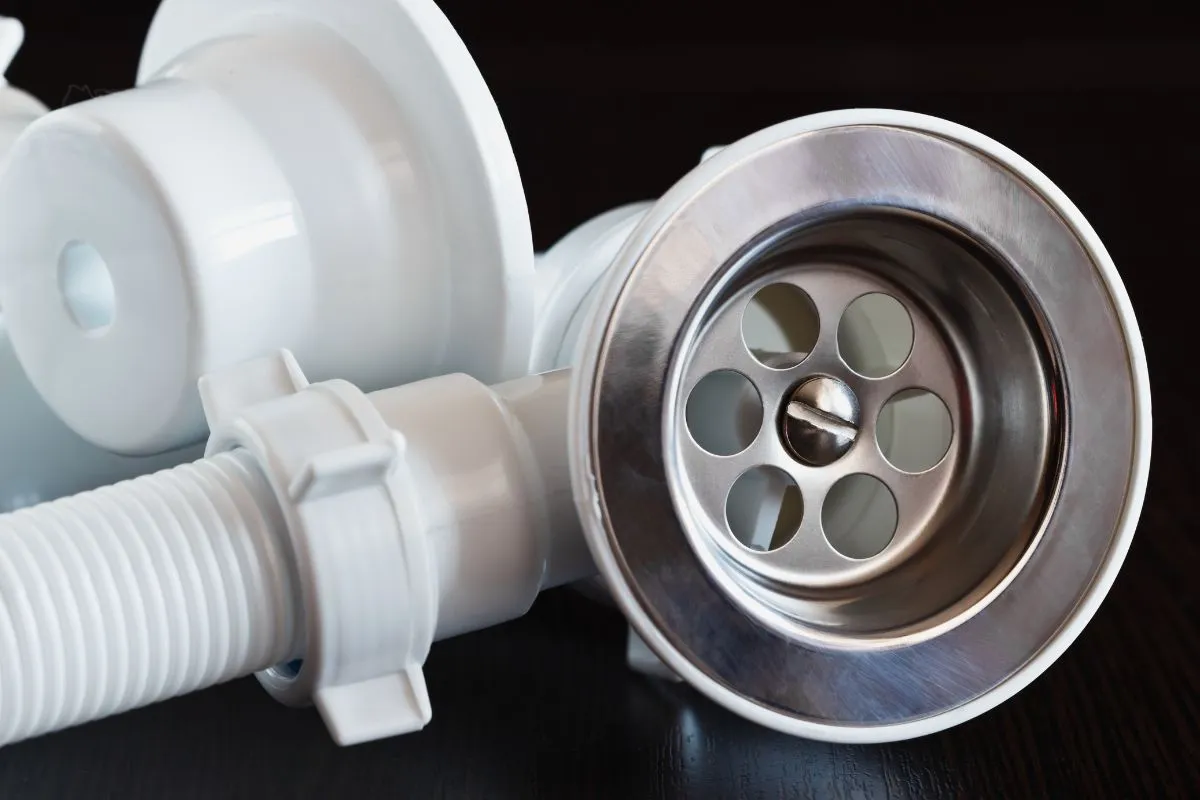
Installing drain covers offers a simple solution to prevent debris from clogging kitchen drains. These covers catch food particles and other waste, reducing the risk of blockages. Choose stainless steel or silicone options for durability. Regularly clean the covers to maintain optimal efficiency. This practice helps avoid unpleasant odors.
Proper waste disposal practices
Proper waste disposal ensures smooth kitchen drain function. Avoid pouring grease or oil down the sink. Instead, collect them in a container for disposal. Dispose of food scraps in a compost bin or trash. Use a garbage disposal sparingly and flush with cold water to solidify fats. These practices prevent buildup and reduce odors, promoting effective kitchen drain maintenance.
Troubleshooting common drain issues
Identifying blockages in kitchen drains often involves checking for food debris or grease buildup. Use a plunger to dislodge minor clogs. If water drains slowly, try a mixture of baking soda and vinegar. This natural solution can break down obstructions. Ensure regular inspection of pipes to catch issues early. If problems persist, consider professional plumbing assistance. This prevents more serious damage and ensures effective kitchen drain maintenance.
Identifying blockages
Identifying blockages involves checking for slow drainage and unusual gurgling sounds. Look for water pooling around the sink. Use a flashlight to inspect the drain opening. Regularly remove visible debris. This helps maintain optimal flow and prevents future clogs, keeping your kitchen efficient.
Dealing with slow drains
Address slow drains by using a plunger to dislodge debris. Pour hot water and baking soda to help break down buildup. Consider a plumber’s snake for tougher clogs. Regularly clean and inspect pipes to maintain optimal kitchen drain function and prevent future issues.
Cost-effective tips and tricks
Using baking soda and vinegar provides a simple and economical way to maintain kitchen drains. Pour half a cup of baking soda into the drain, followed by half a cup of vinegar. Let it sit for fifteen minutes, then flush with hot water. This method acts as one of the most affordable drain maintenance techniques. Regular use of this approach helps in preventing clogs and odors.
DIY cleaning hacks
Baking soda and vinegar form a powerful duo for unclogging kitchen drains. Pour half a cup of baking soda, followed by a cup of vinegar. Let it fizz for 15 minutes. Rinse with hot water to clear residue. Ice cubes with salt help in cleaning and sharpening garbage disposal blades. Use lemon peels for a fresh scent. These DIY cleaning hacks ensure effective kitchen drain maintenance at a low cost.
When to seek professional help
| Situation | Action Recommended |
|---|---|
| Persistent odors | Consult a plumber |
| Severe blockages | Call expert drain services |
| Leaking pipes | Contact a professional |
| Regular backups | Seek specialized help |
Persistent drain issues often require professional intervention. When odors linger or blockages persist, it’s crucial to engage experts. Experienced plumbers address complex problems efficiently. Licensed plumbing experts ensure long-term solutions, preventing future complications.
FAQ
How often should kitchen drains be cleaned?
Clean kitchen drains every month to prevent buildup and odors. Regular cleaning ensures smooth drainage and reduces clogs.
What natural solutions help in kitchen drain maintenance?
Use baking soda and vinegar for effective cleaning. These natural ingredients break down grease and eliminate odors without harsh chemicals.
How can drain covers prevent kitchen odors?
Drain covers catch food particles and debris, reducing the chance of clogs and odors. They offer a simple and cost-effective solution.
When is it time to call a professional for kitchen drain issues?
Seek professional help if slow drains persist or blockages recur despite regular maintenance. Experts can identify and fix underlying issues.