Clogged drains aren’t just a nuisance; they can drain your wallet too. Curious about how preventive drain maintenance can save you cash? It’s time to rethink your approach to home care. By investing in simple, regular upkeep, you’ll avoid costly repairs down the line. Let’s dive into the benefits of keeping your drains in top shape and your budget intact.
Sommaire
ToggleUnderstanding preventive drain maintenance
Preventive drain maintenance involves regular checks and cleaning to avoid clogs and costly repairs. By identifying potential problems early, homeowners can save on emergency plumbing costs. Regular maintenance ensures optimal flow and reduces the risk of severe blockages. It includes simple tasks like using drain covers and avoiding grease disposal in sinks. Investing in preventive care minimizes unexpected expenses, proving more cost-effective in the long run. Homeowners gain peace of mind and maintain property value.
What is preventive drain care?
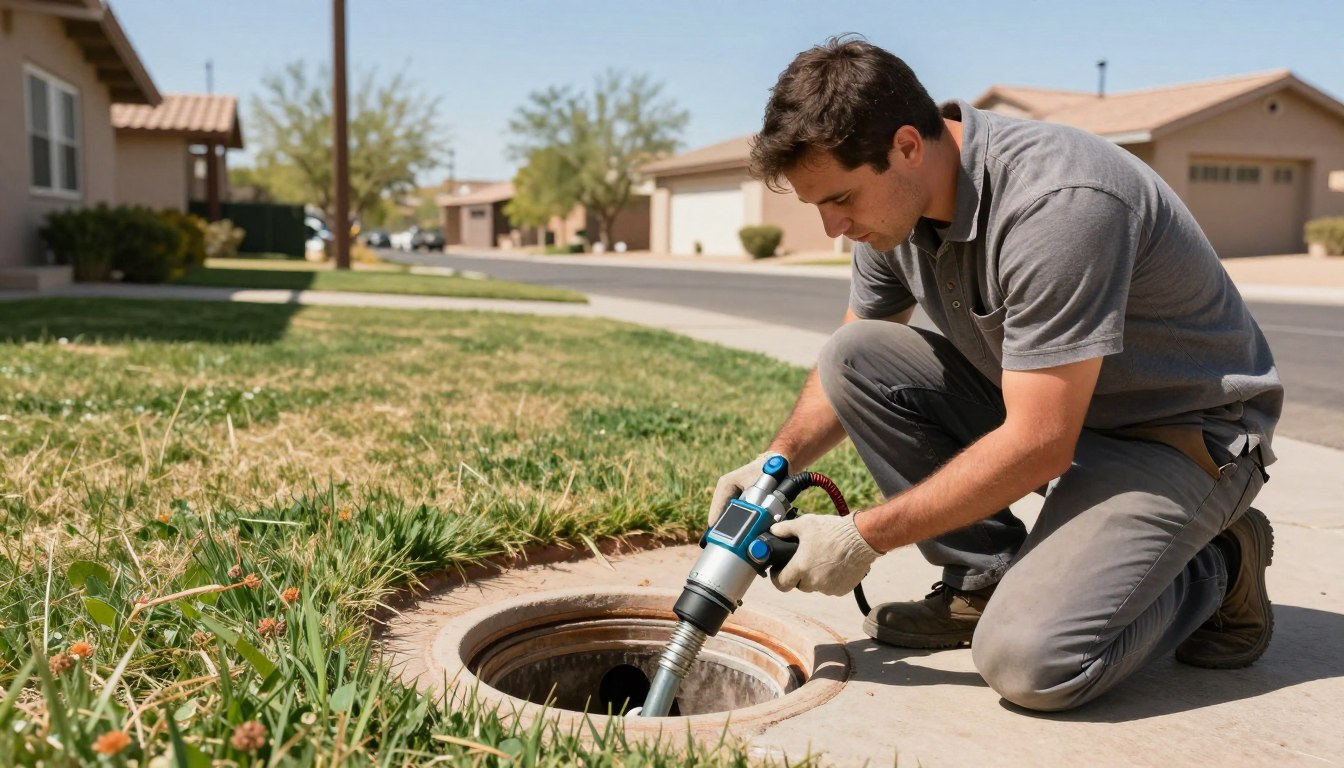
Preventive drain care involves regularly inspecting and cleaning your home’s drainage system to avoid clogs and costly repairs. By removing debris and buildup, you ensure smooth water flow, reducing the risk of blockages. This proactive approach not only extends the lifespan of your plumbing but also saves money by preventing emergency repairs.
Common issues with neglected drains
Neglected drains lead to frequent clogs, slow drainage, foul odors, and potential water damage. Homeowners should monitor these issues to prevent costly repairs. Regular checks help maintain efficient systems.
- Frequent clogs
- Slow drainage
- Foul odors
- Water damage
In Phoenix residences, unusual noises or water backups often indicate underlying drain problems.
Financial benefits of preventive drain care
| Aspect | Preventive Maintenance | Emergency Repairs |
|---|---|---|
| Cost | Lower | Higher |
| Frequency | Regular | Unpredictable |
| Stress Level | Minimal | High |
| Long-term Savings | Significant | Limited |
Regular drain maintenance minimizes unexpected repair costs. Homeowners save money by addressing issues before they escalate. Preventive care ensures a smooth, stress-free experience. Investing in routine upkeep provides significant financial benefits.
Cost comparison: preventive maintenance vs. emergency repairs
Preventive drain maintenance often proves less costly than emergency repairs. Routine check-ups typically cost homeowners less than $200 annually. In contrast, emergency fixes might exceed $500 per incident. Regular care prevents severe blockages, saving significant expenses. Investing in prevention offers financial peace of mind.
Long-term savings through regular maintenance
Regular preventive drain maintenance offers significant long-term savings. By addressing minor issues before they escalate, homeowners avoid costly emergency repairs. Simple practices like routine inspections and cleaning prevent blockages and clogs. Over time, these measures reduce the need for major interventions. Investing in preventive care extends the lifespan of plumbing systems, saving money on replacements. Homeowners also benefit from increased property value, as well-maintained systems attract potential buyers. Embracing these practices ensures a more efficient home environment and substantial financial benefits over the years.
Practical tips for effective drain maintenance
Regular drain maintenance keeps your home running smoothly and avoids costly repairs. Simple DIY practices and knowing when to call a professional make a big difference.
- Flush drains with hot water weekly to clear minor clogs.
- Use baking soda and vinegar monthly to break down buildup.
- Install drain strainers to catch hair and debris.
- Avoid pouring grease down the sink to prevent blockages.
- Schedule annual professional inspections for thorough cleaning.
Consistent upkeep of your drains ensures efficient plumbing. It saves money and stress by preventing major issues. Embrace these tips for a worry-free home.
Simple DIY maintenance practices
Homeowners can easily maintain their drains by pouring hot water down them weekly to dissolve buildup. Using a mix of baking soda and vinegar also helps clear minor clogs and deodorizes. Regularly cleaning drain covers prevents debris accumulation. Another key practice involves arranging regular drain inspections to identify potential issues early. These simple actions not only extend the lifespan of your plumbing but also prevent costly repairs, ensuring efficient and smooth water flow in your home.
When to call a professional
Knowing when to call a professional can prevent costly damage. Contact an expert in these situations:
- Frequent clogs disrupt daily life and signal deeper issues.
- Foul odors persist despite cleaning, indicating potential sewer line problems.
- Slow drainage across multiple fixtures suggests a serious blockage.
Prompt action avoids extensive repairs and ensures optimal drain health.
Real-life examples of cost savings
Homeowners experience significant savings by investing in preventive drain maintenance. These real-life examples illustrate the financial benefits:
- One family reduced plumbing repair costs by $1,200 annually through regular inspections.
- A property owner avoided a $5,000 emergency repair by scheduling routine cleanings.
- Consistent maintenance extended a drain system’s life, saving $3,500 in replacement expenses.
Case studies of successful preventive maintenance
- A homeowner in Dallas reduced plumbing expenses by 50% with quarterly drain inspections.
- A Seattle family avoided $5,000 in repairs by using enzyme-based cleaners monthly.
- A New York apartment complex saved $10,000 annually through routine professional maintenance.
Implementing preventive drain maintenance offers significant financial benefits. Homeowners realize savings by avoiding costly repairs. Regular care minimizes emergency incidents, ensuring long-term financial stability.
Statistics on maintenance cost savings
Homeowners save up to 40% on plumbing costs with preventive drain maintenance. Regular inspections reduce the risk of clogs and leaks by 50%, minimizing expensive repairs. Investing in simple maintenance saves money over time, avoiding hefty emergency fees. Statistics reveal preventive care extends pipe lifespan by 30%, delaying costly replacements. Households report a 20% decrease in water bills through efficient drainage. These numbers highlight the financial advantage of consistent maintenance.
Overcoming common misconceptions
Misunderstandings about preventive drain maintenance often deter homeowners. Addressing these misconceptions can clarify the true value of regular care:
- High initial costs deter many, yet they prevent costly repairs.
- Time-consuming tasks seem daunting, but simple routines save time.
- Many believe emergency services suffice; proactive care avoids crises.
- Some doubt effectiveness, overlooking long-term savings and system longevity.
Addressing the myth of high initial costs
Many homeowners believe preventive drain maintenance costs too much upfront. However, regular care prevents expensive repairs and extends pipe lifespan. Investing in maintenance avoids severe blockages, saving thousands in potential repair costs. Preventive measures offer long-term savings and peace of mind.
Understanding the true value of preventive care
Preventive drain maintenance often saves money by reducing the risk of costly emergency repairs. Regular inspections and cleaning ensure optimal flow and prevent blockages. Homeowners avoid expensive damage, like water backups or pipe replacements. Investing in routine care enhances the lifespan of your plumbing system. This proactive approach minimizes disruptions and unexpected expenses. By understanding its true value, you protect your home and wallet, ensuring peace of mind and financial stability.
Answers to frequently asked questions
What are the signs of a neglected drain?
Slow drainage, unpleasant odors, and frequent clogs indicate neglect. Address these signs early to avoid costly repairs.
How often should preventive drain maintenance be performed?
Perform basic maintenance every few months. A professional inspection once a year ensures optimal drain health.
Can DIY maintenance effectively prevent major issues?
Yes, simple practices like using drain strainers and regular cleaning reduce risks. For persistent issues, consult a professional.