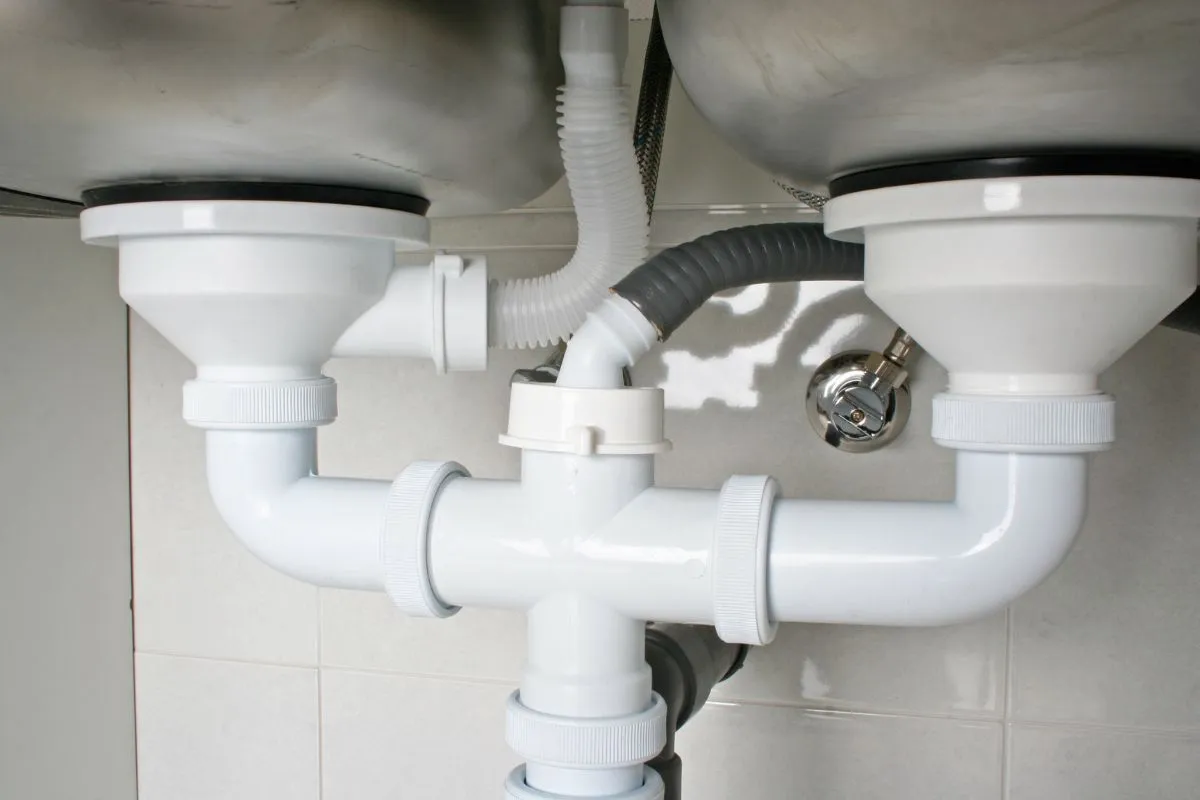
Minor leaks in household pipes can cause big headaches if not handled quickly. Discovering a damp spot or hearing a drip might seem trivial, but acting fast saves you trouble. This guide offers simple, effective solutions for pipe leak repair, helping you tackle those pesky leaks with confidence. Learn how to protect your home and avoid costly repairs.
Sommaire
ToggleIdentifying common causes of pipe leaks
Corrosion, high water pressure, and poor installation often cause pipe leaks. Rust weakens pipes over time, leading to cracks. High pressure stresses joints and seals, causing leaks. Incorrect installation or materials can result in weak connections. Early detection prevents costly repairs.
Signs of a pipe leak
Detecting pipe leaks early saves time and money. Look for telltale signs in your home.
- Unexplained water bills
- Musty odors
- Visible mold
- Stains on ceilings
- Reduced water pressure
- Sound of running water
Recognizing these signs aids in preventing costly repairs.
Common household pipe issues
Leaks often stem from worn-out seals, corroded pipes, or joint issues. High water pressure exacerbates these problems. Recognizing these clogging challenges early helps prevent bigger issues. Regular inspections and minor repairs maintain the integrity of your plumbing system, reducing the need for extensive fixes.
Essential tools for repairing pipe leaks
For effective pipe leak repair, having the right tools makes a big difference. A well-stocked toolbox ensures you handle minor issues with ease. Consider these essential items:
- Pipe wrench: Grips pipes securely for tightening or loosening.
- Plumber’s tape: Seals joints to prevent future leaks.
- Pipe cutter: Provides clean cuts for pipe adjustments.
- Adjustable pliers: Offers versatile grip for various pipe sizes.
Equipped with these tools, you can address leaks promptly and efficiently.
Basic plumbing tools
Having the right basic plumbing tools ensures you can handle minor pipe leak repairs effectively. Consider these essential tools:
- Pipe wrench: For gripping and turning pipes.
- Plumber’s tape: Seals threads to prevent leaks.
- Adjustable pliers: Useful for tightening fittings.
- Pipe cutter: Easily cuts through pipes.
These tools empower you to address small plumbing issues with confidence.
Safety equipment to consider
Ensuring safety while repairing pipe leaks remains crucial. Proper safety equipment helps prevent accidents and injuries. Equip yourselves with the following essentials:
- Gloves for hand protection
- Safety goggles to shield eyes
- Non-slip footwear for stable footing
Wearing the right protective gear enhances safety during repairs. It minimizes risks and ensures a smooth repair process.
Step-by-step guide to fixing minor pipe leaks
Quickly addressing a pipe leak repair involves a few simple steps. Use these to tackle minor issues:
- Turn off the water supply.
- Dry the area around the leak.
- Apply pipe sealant tape.
- Secure with a pipe clamp.
- Turn water back on.
- Check for leaks.
Temporary fixes for immediate relief
For quick relief from minor pipe leaks, consider these temporary fixes:
- Apply plumber’s tape to seal small cracks.
- Use a pipe clamp for a tighter hold.
- Wrap a rubber patch around the leak.
These solutions offer immediate control until a permanent repair occurs.
Permanent solutions for small leaks
Fixing small leaks permanently ensures peace of mind. Consider using sealant or epoxy putty. Follow these steps:
- Turn off the water supply.
- Clean and dry the pipe.
- Apply sealant or epoxy evenly.
- Allow it to cure fully.
Preventive measures to avoid future leaks
Regular upkeep keeps pipes in top shape. Follow these tips to avoid leaks:
- Inspect pipes for corrosion and damage.
- Ensure proper insulation in cold areas.
- Check water pressure regularly.
Addressing leaks early prevents costly repairs. Additionally, keeping pipes clear by avoiding drain blockages reduces pressure and potential leaks. Proper maintenance extends the life of your plumbing system.
Regular maintenance tips
Regular checks of pipes for wear and corrosion prevent leaks. Clean drains regularly to avoid clogs. Inspect pipe joints for tightness. Use drain strainer solutions to catch debris. Monitor water pressure to avoid stress on pipes. Keep an eye on moisture levels around your home.
Importance of early detection
Detecting pipe leaks early prevents costly repairs and water damage. Regular checks and quick action ensure your home’s safety. Watch for these signs:
- Unusual water bills
- Visible mold or mildew
- Musty odors
Addressing these issues promptly avoids further complications and maintains home integrity.
When to call a professional plumber
If a pipe leak repair involves complex issues like persistent leaks, water damage, or unusual noises, it’s time to call a professional plumber. They handle intricate problems efficiently, ensuring your home’s plumbing system remains reliable and leak-free.
Recognizing complex issues
Identifying complex pipe leak issues early prevents costly repairs. Look for these signs:
- Water stains on ceilings or walls
- Mold or mildew growth
- Significant water pressure drop
- Unusual sounds in pipes
- Persistent odors of dampness
- Increased water bills
If you notice these, contact a plumber. Early intervention saves time and money.
Choosing the right plumbing service
Finding the right plumbing service requires careful consideration. Check for licensed and insured professionals. Look at reviews and ask for recommendations. Consider their experience with specific issues like pipe leak repair. Request quotes to compare pricing. A reputable plumber should provide a warranty on their work. If you live in an area with unique challenges, like Arizona plumbing advice, ensure they have local expertise. Prioritize clear communication and punctual service. These factors help in selecting a reliable plumber to address complex plumbing needs.
Popular Questions
What are the first signs of a pipe leak?
Look for water stains on walls or ceilings, a musty smell, and increased water bills. These signs often indicate a hidden leak.
Which basic tools are essential for fixing pipe leaks?
You’ll need a pipe wrench, plumber’s tape, and a bucket. These tools help handle small repairs safely and effectively.
How can I temporarily fix a small pipe leak?
Apply plumber’s tape or use a pipe repair clamp. These quick fixes offer immediate relief until a permanent solution is possible.
When should I call a professional plumber?
If the leak persists or worsens despite your efforts, it’s time to contact a professional. They handle complex issues with expertise.