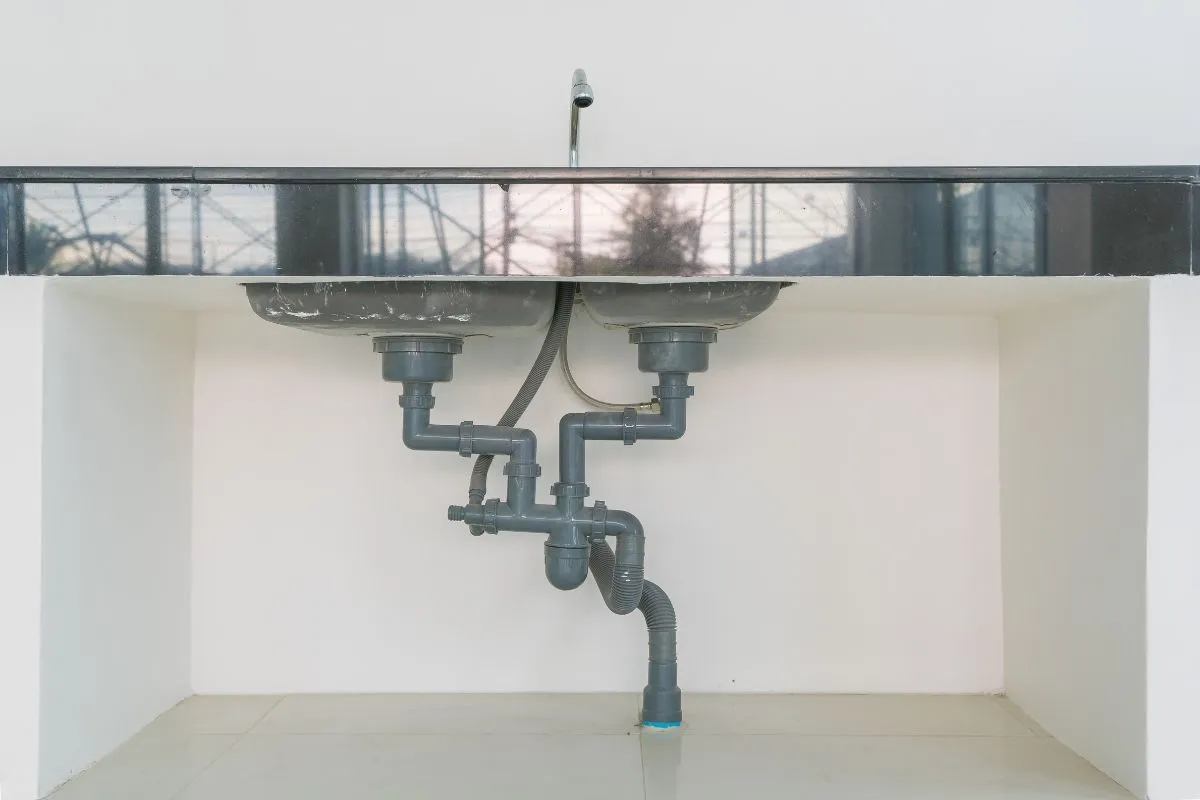
Living in an old Phoenix house brings charm but can also mean dealing with water flow issues. Improving this can enhance comfort and functionality without breaking the bank. Discover practical steps and affordable upgrades to boost your home’s water pressure. Let’s explore how to transform your plumbing challenges into solutions that ensure a better flow and a more enjoyable living space.
Sommaire
ToggleCommon causes of poor water flow in old Phoenix homes
Old Phoenix homes often face challenges with water flow due to a variety of reasons. Outdated plumbing systems typically contribute to this issue. Mineral buildup inside pipes restricts water passage. Additionally, leaks reduce pressure significantly. Addressing these common causes involves understanding their origins:
- Corroded pipes that narrow over time.
- Accumulated sediment from hard water.
- Undetected leaks causing pressure drops.
Regular maintenance and inspections help identify these problems early. Homeowners should consider replacing severely corroded pipes for long-term water flow improvement.
Identifying outdated plumbing systems
Old homes in Phoenix often feature outdated plumbing systems causing poor water flow. Galvanized steel pipes, common in these homes, corrode over time, restricting water passage. Look for signs like discolored water or inconsistent pressure. Another red flag includes unusual noises in pipes. Inspect exposed pipes for rust or leaks. Recognizing these issues helps homeowners pinpoint problems. Addressing them early can prevent costly repairs and improve overall water flow.
Recognizing signs of mineral buildup
- Reduced water pressure in faucets
- Visible white or green deposits on fixtures
- Clogged showerheads and aerators
- Inconsistent hot water flow
- Unusual noises in pipes
- Frequent need to clean fixtures
Mineral buildup often leads to obstructed water flow and reduced efficiency. Identifying these signs early helps homeowners address issues before they escalate.
Practical steps to improve water flow
- Inspect all faucets for signs of wear or corrosion.
- Remove aerators and clean thoroughly to remove debris.
- Check for hidden leaks under sinks and around pipes.
- Tighten or replace loose fittings and connections.
- Flush pipes to clear out any mineral buildup.
Taking these steps helps maintain optimal water flow. Addressing wear, leaks, and blockages ensures a smoother and more efficient plumbing system.
Cleaning and maintaining faucets and aerators
Regular cleaning of faucets and aerators improves water flow in old Phoenix homes. Remove aerators, soak them in vinegar, then rinse. This eliminates mineral deposits. Such maintenance, paired with eco-friendly drain clearing techniques, ensures optimal water pressure.
Checking for and fixing leaks
- Inspect visible pipes for moisture or drips
- Check under sinks and around toilets for water spots
- Listen for unusual sounds near plumbing fixtures
- Use a water meter to detect hidden leaks
- Seal small leaks with plumber’s tape
- Contact a professional for significant leaks
Identifying and repairing leaks promptly enhances water flow efficiency. Regular checks prevent water waste and costly damage.
Affordable upgrades and fixes
Installing low-cost water pressure boosters can significantly enhance water flow in old Phoenix homes. Upgrading to water-efficient fixtures reduces strain on existing plumbing. Simple fixes like replacing old washers can prevent leaks. These solutions offer practical, budget-friendly improvements without extensive renovations.
Installing low-cost water pressure boosters
Installing a water pressure booster offers an effective way to enhance water flow in older homes. These devices increase the pressure in existing plumbing systems without extensive renovations. Consider these steps for a successful installation:
- Identify the main water line for booster placement.
- Shut off the water supply to prevent leaks.
- Install the booster pump using appropriate fittings.
- Test the system for improved water flow.
This affordable solution boosts efficiency and comfort in homes.
Using water-efficient fixtures
Opting for water-efficient fixtures helps boost water flow improvement in older Phoenix homes. These fixtures reduce water usage while maintaining pressure. Consider these options:
- Install low-flow showerheads for efficient showers.
- Replace old faucets with aerated models.
- Use dual-flush toilets to save water on each flush.
These upgrades enhance water flow and contribute to conservation efforts.
Long-term solutions for sustained water flow improvement
| Solution | Benefit |
|---|---|
| Regular plumbing inspections | Identify issues early |
| Upgrade to PEX piping | Improves water flow |
| Install a water softener | Reduces mineral buildup |
| Use pressure regulators | Stabilizes water pressure |
| Implement water-saving devices | Enhances efficiency |
| Consult a professional plumber | Expert advice and solutions |
Regular plumbing inspections
Regular plumbing inspections ensure consistent water flow in old Phoenix homes. These assessments identify hidden issues like leaks or corrosion, preventing costly repairs. Professionals check pipes and fixtures, recommending timely fixes. Homeowners benefit from improved efficiency and reduced water bills. They should consider arranging routine pipe checks to maintain optimal conditions. Regular evaluations catch problems early, prolonging the lifespan of plumbing systems. By staying proactive, one ensures comfort and functionality without major renovations.
Considering pipe replacement options
Replacing old pipes can significantly boost water flow. Homeowners should evaluate copper or PEX piping, known for durability and efficiency. Consult a local plumber to assess the best fit for the home’s needs. Consider long-term savings and enhanced water pressure when making this decision.
DIY tips for homeowners
Homeowners can improve water flow by regularly cleaning faucet aerators and showerheads. This removes mineral deposits and boosts pressure. Replacing washers in leaky faucets also prevents water loss. Using a pipe wrench, homeowners can tighten connections to stop leaks. For added protection, consider installing a drain shield to prevent clogs and maintain flow. Additionally, using plumbing tape on threaded connections ensures a watertight seal. These simple DIY tips offer practical solutions without major renovations, keeping older Phoenix homes comfortable and functional.
Simple tools and materials needed
Homeowners aiming to enhance water flow in their older Phoenix houses need only a few essential items. A pipe wrench, a basin wrench, and Teflon tape top the list. These basic plumbing tools help tackle minor repairs without hassle. A bucket and rags assist in managing any water spills during the process. Including a flashlight ensures clear visibility in dimly lit areas. Understanding the use of these tools makes a significant difference. Investing in a quality set simplifies maintenance and boosts efficiency in water flow improvement tasks.
Step-by-step guide for minor repairs
- Turn off the water supply.
- Unscrew faucet aerators.
- Soak parts in vinegar to dissolve buildup.
- Rinse and scrub with a brush.
- Reassemble faucet components.
- Turn on water and check for improved water flow.
FAQ
What are some signs of outdated plumbing in old homes?
Signs include frequent leaks, rusty water, and low water pressure. Old pipes may also show visible corrosion.
How can homeowners prevent mineral buildup in pipes?
Use a water softener to reduce hardness. Regularly clean fixtures and run vinegar through pipes to dissolve deposits.
Are there simple tools homeowners can use for minor repairs?
Yes, basic tools include a pipe wrench, plumber’s tape, and a plunger. These help with small leaks and clogs.