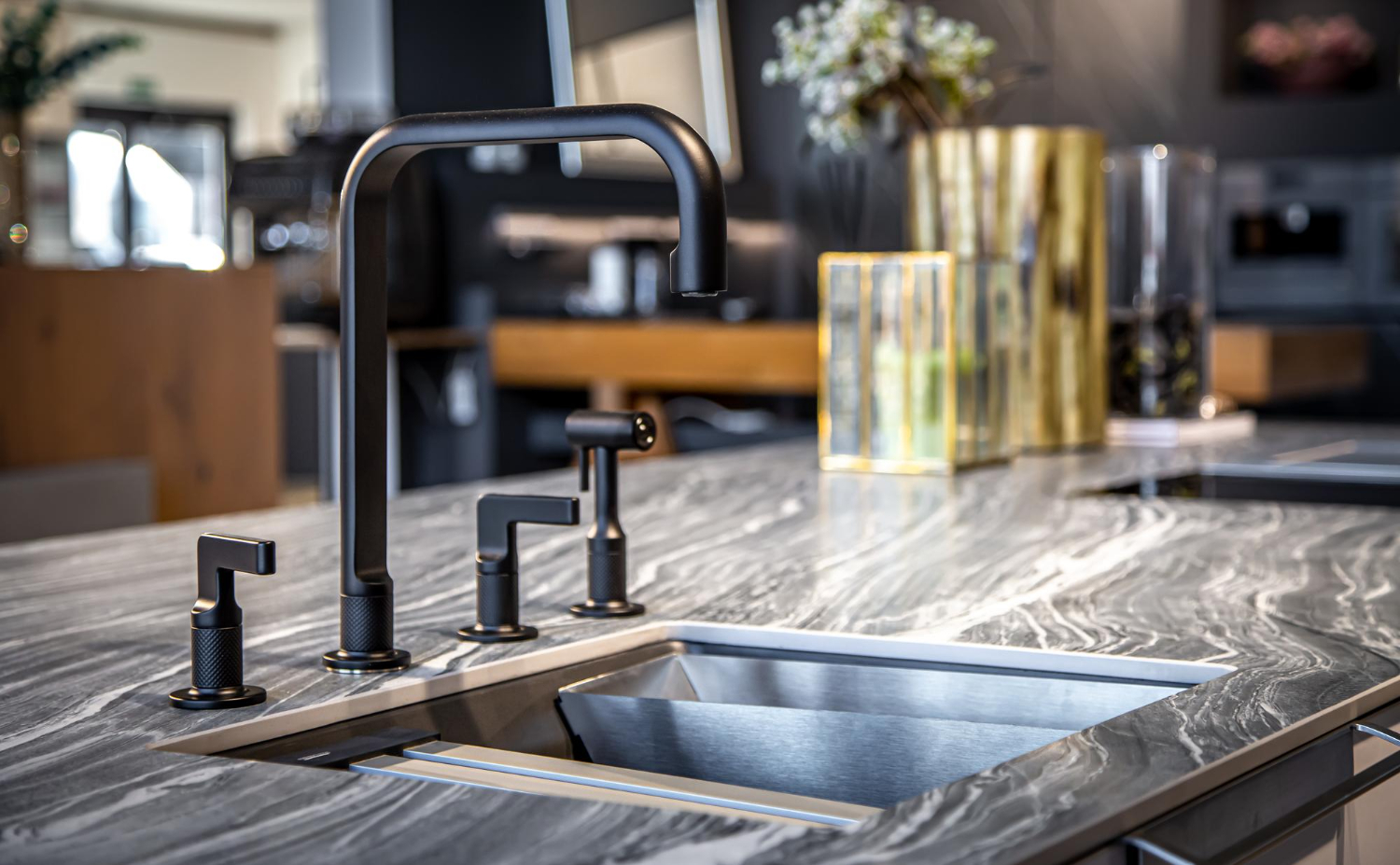
Kitchen drains, especially in a climate like Phoenix, face extreme conditions. Heat, dust, and hard water can speed up the wear and tear on your pipes, increasing the risk of clogs and leaks. Seasonal maintenance is the best way to extend the life of your plumbing and avoid blockages. Here are some practical tips to follow throughout the year to keep your drains in top condition.
Sommaire
ToggleThe risks of poor drain maintenance in Phoenix
Phoenix’s climate presents unique challenges for your pipes. Ignoring maintenance can lead to serious problems, often costly.
The impact of the desert climate on drains
The hot and dry climate in Phoenix accelerates pipe wear. The sudden shift in temperature can cause cracks in the pipes, reducing their efficiency. These cracks increase the risk of leaks and allow debris to enter the pipes. Over time, these small leaks become significant blockages.
Hard water and its effects on drains
Hard water is common in Phoenix. It contains minerals like calcium, which, over time, deposits in your pipes. These deposits can reduce water flow and cause clogs, leading to permanent blockages if not maintained.
Seasonal maintenance tips to protect your kitchen drains
Taking care of your drains throughout the year, according to the seasons, is the best way to ensure their proper function. Here are some essential tips for each season.
Spring: inspection and preventive cleaning
In spring, before the high temperatures set in, conduct a thorough inspection of your drains. Check for any visible cracks and clean the pipes deeply. Use natural products, such as white vinegar and baking soda, to thoroughly clean the pipes. This will help start the season off right and prevent debris from causing obstructions.
Summer: preventing grease and oil build-up
Summer in Phoenix can be particularly hot, making grease more likely to solidify in the pipes. To avoid grease clogs, never pour oil or grease down the sink. Use a container to collect the grease and dispose of it in the trash. This will prevent grease from solidifying in your pipes and causing blockages.
Fall: protection against tree roots
Tree roots can invade your pipes in search of moisture. In the fall, especially after rainy periods, check if roots have entered your pipes. If you have trees near your plumbing, consider using specific products to remove the roots without damaging the pipes. A professional can also inspect for root intrusion and remove them effectively.
Winter: preparation for freezing risks
Although Phoenix doesn’t experience freezing winters like other areas, it’s still important to protect your pipes from freezing, especially those located outside. Insulate exposed pipes and allow water to trickle at a low flow during the coldest nights to prevent freezing and potential pipe damage. These precautions will help preserve the lifespan of your pipes throughout the winter.
Common mistakes to avoid to prolong the lifespan of your drains
Certain daily habits can harm the longevity of your drains. Avoiding these common mistakes will save you from unnecessary headaches.
Neglecting small leaks
Small leaks may seem insignificant, but they are often a sign of bigger problems. Ignoring a leak for too long allows water to accumulate in areas that can damage the pipes. Repair leaks promptly to prevent further damage.
Excessive use of chemical cleaners
Chemical cleaners can provide short-term relief, but frequent use can damage your pipes due to their high acidity. Opt for natural solutions and mechanical methods to clear blockages. If you must use a chemical cleaner, choose gentle alternatives.
Read more : Safe and effective ways to clean bathroom drains in Phoenix
When to call a professional for kitchen drain maintenance in Phoenix
Even with regular maintenance, some situations require a professional’s intervention. Here are the signs that indicate it’s time to call in an expert.
Warning signs: persistent clogs
If your drains frequently clog, despite your efforts to clean them, it’s time to call a professional. A persistent clog could signal a more serious problem, such as invasive tree roots or significant calcium buildup.
Persistent unpleasant odors
Unpleasant odors that linger even after cleaning are a sign that something is wrong with your pipes. This could be due to a buildup of waste or a partial blockage that only a professional can remove.
Leaks or slow drainage
If you notice water leaks or slow drainage, despite regular cleaning, it’s likely time to call a professional. These signs can indicate partial obstructions or pipe damage that needs specialized attention.
Read more : Beginner’s guide to drain cleaning with hydrojet in Phoenix
Taking care of your kitchen drains in Phoenix is essential to prevent clogs and extend the lifespan of your pipes. Don’t wait for a major problem to arise; contact a professional for a thorough cleaning if you encounter recurring clogs or drainage issues. Protect your drains today to avoid future surprises.
FAQ: Prolonging the lifespan of your kitchen drains in Phoenix
- What are the best tools to use for a DIY drain cleaning?
For a safe and effective DIY drain cleaning, use a plumbing snake or drain auger to manually clear out debris. Alternatively, a baking soda and vinegar solution works well for minor buildups. Always avoid using harsh chemical cleaners, as they can damage pipes over time.
- Can the heat in Phoenix cause my kitchen pipes to burst?
While freezing pipes aren’t typically an issue in Phoenix, extreme heat can weaken older pipes. Over time, heat exposure can cause cracking or warping, especially in PVC pipes. To prevent heat-related damage, consider pipe insulation for vulnerable areas, especially during the hottest months.
- How does hard water in Phoenix affect my garbage disposal?
Hard water can lead to mineral buildup in your garbage disposal, especially in areas where water is used continuously. This buildup can cause the disposal to slow down or even clog. Regularly clean your disposal with vinegar and ice cubes to keep mineral deposits from accumulating and ensure it works efficiently.
- Is it safe to use a garbage disposal for all food scraps?
No, not all food scraps should go into the garbage disposal. Fibrous foods like celery and corn husks, bones, and coffee grounds can cause clogs or damage the disposal. Avoid putting these items in and instead, dispose of them in the trash or compost. Regularly clean your disposal with natural methods like citrus peels to keep it fresh.