
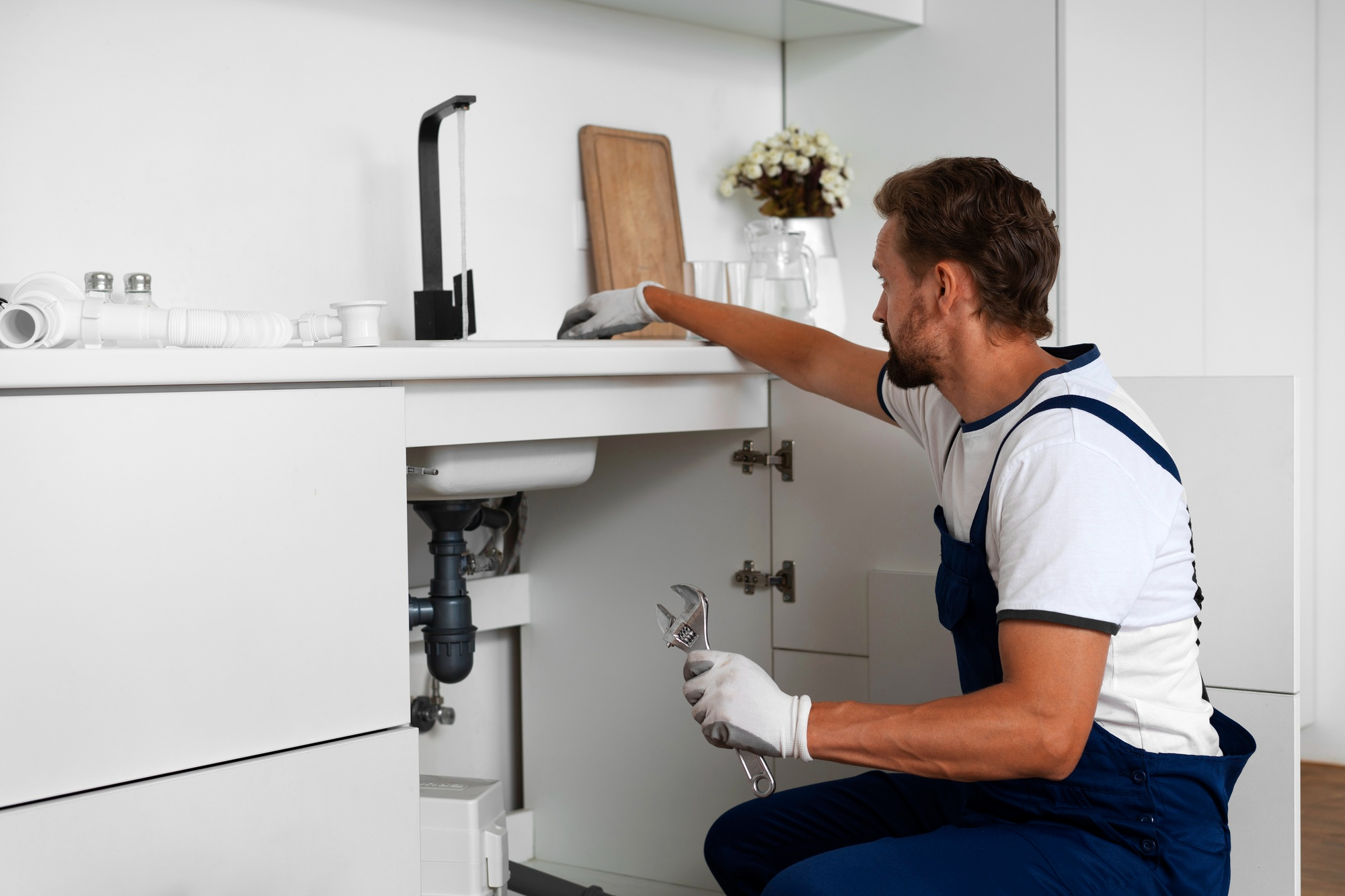
Dealing with clogged kitchen drains can quickly turn into a nightmare, especially in a city like Phoenix, where high temperatures and frequent use of kitchen appliances can worsen the problem. A blocked drain can lead to unpleasant odors, stagnant water, and costly repairs if not addressed promptly. However, with the right practices and methods, these clogs can be easily avoided or treated.
Sommaire
ToggleCommon causes of kitchen drain clogs
Clogs in kitchen drains can be caused by various factors. Understanding these causes helps in better preventing and dealing with the problem.
Grease buildup
One of the main causes of clogs in kitchens in Phoenix is grease buildup in the pipes. Every time you cook fatty foods, such as meats or fried dishes, greasy residue can settle in your pipes. As the grease cools, it solidifies and forms a paste that, over time, clogs the pipes.
Food scraps
Many people have the habit of disposing of food scraps in the sink. These remnants, especially vegetable peels, rice, or meat pieces, make their way into the pipes. As they decompose, they form a clog, making water flow harder and harder.
Multiple obstructions
Often, it’s not just one factor but a combination of grease, food scraps, and other debris like hair or cleaning products being thrown into the drains. These elements mix and create clogs that are difficult to eliminate without intervention.
How to prevent kitchen drain clogs
Prevention is the best solution. Here are some tips to avoid your drains getting clogged:
Use drain strainers and screens
Installing a drain strainer or drain screen in your sink can help catch large debris before they reach the pipes. These accessories are easy to install and clean and prevent most blockages.
Proper disposal of grease and oil
Never pour grease or used oil down the drain. These substances solidify easily and create blockages in your pipes. Instead, allow grease to cool and dispose of it in a container or plastic bag. This will keep your pipes free from grease buildup.
Regular maintenance with hot water
Once a week, pour hot water down your drains. This helps dissolve any grease or food particles before they accumulate and form a clog. This simple step can significantly reduce the risk of blockages.
Methods to treat drain clogs
Sometimes, despite all precautions, clogs still occur. Here are some effective methods to treat obstructions in your drains:
Homemade solutions
Simple solutions like baking soda and vinegar can be highly effective in clearing minor clogs. Pour baking soda into the sink, then add vinegar. Let it sit for a few minutes before rinsing with hot water. This method is eco-friendly and non-abrasive to your pipes.
Eco-friendly products
If you prefer to use specific products, opt for eco-friendly cleaners. These products are generally enzyme-based and break down grease and organic debris without harming the environment or your pipes.
Manual plumbing tools
If natural methods don’t work, it may be necessary to use a plumber’s snake or plunger to manually unclog the drain. The plumber’s snake helps dislodge deep clogs in the pipes, while the plunger is ideal for more superficial blockages.
Hydro-jetting
Hydro-jetting is a professional method that uses high-pressure water to clear blockages deep within the pipes. This technique is ideal for recurring or severe clogs and also cleans the pipe walls, preventing future blockages.
When to call a professional plumber in Phoenix
If you notice that the homemade methods aren’t enough or if clogs are frequent, it’s time to call a professional plumber. Plumbers have specialized tools and techniques, like hydro-jetting, to tackle the toughest clogs. They can also identify other issues in your pipes that might cause recurring blockages.
Dealing with kitchen drain clogs in Phoenix requires a combination of good preventive practices and effective methods to eliminate blockages. By regularly maintaining your drains and adopting the right solutions, you reduce the risk of clogs while preserving the efficiency of your plumbing system. If problems persist, don’t hesitate to consult a professional for a long-lasting and comprehensive solution.