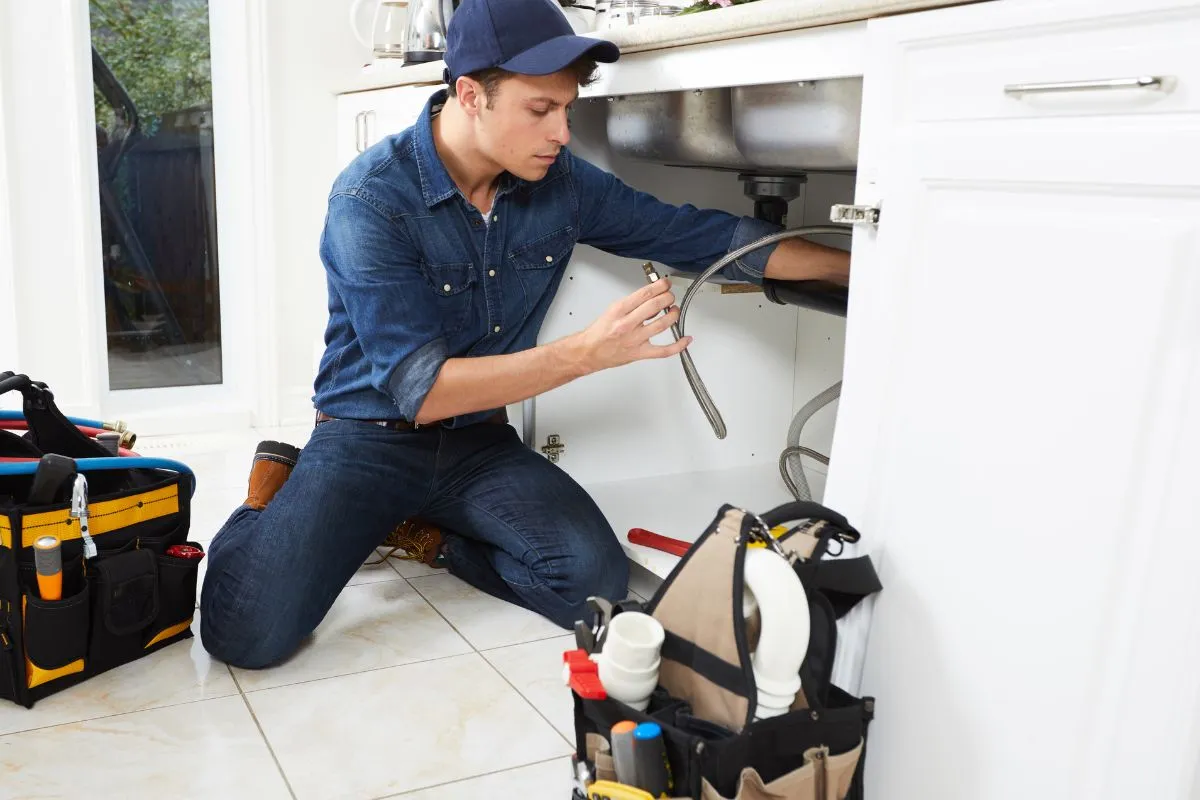
Ever notice your sink draining slower than usual? It’s frustrating, right? Before you call a plumber, consider trying a few DIY tricks. With some basic tools and a little patience, you can tackle this common issue yourself. Not only will you save money, but you’ll also feel accomplished. Let’s dive into simple steps to unclog your sink easily.
Sommaire
ToggleUnderstanding the cause of a slow-draining sink
A slow-draining sink often indicates a buildup of debris in the pipes. Food particles, soap residue, and hair commonly accumulate, creating blockages. Grease and oil also solidify, narrowing the pipe’s diameter. Foreign objects accidentally dropped can obstruct water flow. In older homes, corroded pipes or tree roots invading sewer lines might be culprits. Recognizing these causes helps you address them effectively. Regular maintenance prevents such issues. Paying attention to water draining speed alerts you early to potential problems, saving time and effort later on.
Common reasons for slow drainage
A slow-draining sink often points to common issues you can tackle yourself. Identifying these can help fix the problem quickly.
- Accumulation of hair and soap scum
- Food particles blocking the pipes
- Mineral buildup from hard water
- Improper disposal of grease
Regular maintenance prevents clogs. Address issues promptly to keep your sink draining smoothly.
Signs you need to address the issue
A slow-draining sink often signals underlying issues. Look for these warning signs to know when to take action:
- Water pooling around the drain
- Unpleasant odors from the sink
- Gurgling sounds when draining
- Frequent need for plunging
- Backflow into the sink
Address these issues promptly to avoid severe plumbing problems.
Tools and materials you’ll need
Gather a few basic tools: an adjustable wrench, a plunger, and a bucket. Opt for a sink snake to reach deeper clogs. Have baking soda and vinegar ready. These materials offer an effective DIY approach to unclogging your sink. Keep rubber gloves handy for a clean process. These items help you fix the issue without calling a plumber.
Basic tools for DIY plumbing
For a successful DIY plumbing project, gather a plunger, adjustable wrench, and a bucket. A plumber’s snake helps with deeper clogs. Keep a pair of rubber gloves for hygiene. A flashlight ensures visibility under the sink. Basic tools like these provide the foundation for resolving minor plumbing issues. Remember, having the right tools boosts your confidence and efficiency in tackling any unclog sink DIY challenge.
Recommended products for unclogging
Selecting the right products can simplify the process of unclogging your sink. Explore these effective options to tackle stubborn clogs effortlessly.
- Drain snake for manually removing blockages
- Enzymatic drain cleaners safe for pipes
- Plumbing auger for deeper clogs
- Biodegradable drain gel for eco-friendly use
- Rubber plunger for creating suction power
Step-by-step guide to unclogging your sink
- Remove and clean the sink stopper.
- Use a plunger to clear the blockage.
- Apply a baking soda and vinegar solution.
This process helps you clear your sink efficiently. By following these steps, you tackle most clogs without professional help. Keep your tools handy for future use.
Removing and cleaning the sink stopper
First, twist the sink stopper counterclockwise to remove it. Check for any debris or hair clinging to it. Use a toothbrush and mild detergent to scrub off any buildup. Rinse thoroughly and replace the stopper securely.
Using a plunger effectively
Position the plunger cup over the drain. Ensure a tight seal by covering the overflow hole with a wet cloth. Push down firmly and pull up sharply to create suction. Repeat this action several times to dislodge the clog. Use a plunger with a flange for a better grip. This helps when dealing with stubborn blockages. If water drains quickly, the clog has cleared. Keep a plunger handy for future clogs in your home. Regular use prevents tough blockages from forming, saving you from potential plumbing headaches.
Applying a baking soda and vinegar solution
Pour déboucher efficacement, verse une demi-tasse de baking soda dans le drain. Ajoute ensuite une tasse de vinegar. Laisse agir pendant 15 minutes. Rince à l’eau chaude pour dissoudre les résidus et déboucher le sink rapidement.
Preventive measures to avoid future clogs
Regularly clean the sink stopper and avoid pouring grease to maintain fresh-smelling kitchen sinks. Use a drain screen to catch debris and run hot water weekly to clear minor clogs.
Tips for maintaining a clear drain
Maintaining a clear drain involves adopting consistent practices. Consider these tips:
- Run hot water through the sink after each use to clear minor debris.
- Use a hair catcher to prevent hair buildup in bathroom drains.
- Avoid pouring grease or oil down the kitchen sink.
- Use a mixture of baking soda and vinegar monthly to clean pipes.
- Install a sink strainer to catch food particles.
- Check and clean the sink stopper regularly to prevent clogs.
Establishing consistent drain care routines can prevent future clogs and prolong the lifespan of your plumbing system.
Products that help prevent clogs
Use drain screens to catch debris before it enters your pipes. Enzyme-based cleaners break down organic matter and maintain clear drains. Monthly use of a hair trap reduces blockages from hair. Liquid drain cleaners offer a quick solution but use them sparingly. For effective results, combine these products regularly to ensure smooth water flow.
When to consider calling a professional
If your sink remains slow despite repeated DIY efforts, it’s time to call a professional. Persistent clogs might indicate deeper plumbing issues like pipe corrosion or root intrusion. Notice any strange odors or gurgling sounds? These suggest problems beyond basic fixes. A plumber can provide a thorough inspection, ensuring your plumbing system functions properly. While DIY solutions save money, professional help guarantees a long-term resolution and peace of mind.
Recognizing persistent issues
Persistent sink drainage issues might signal deeper plumbing problems. Watch for these signs to identify when simple fixes fail:
- Water pooling that doesn’t drain after basic unclogging
- Bad odors persisting despite cleaning
- Strange gurgling sounds from pipes
- Frequent clogs requiring repeated attention
These suggest a need for professional help. Addressing them early prevents costly repairs and ensures a smoothly running plumbing system.
Understanding the benefits of professional help
Hiring a professional plumber can save you time and prevent potential damage. They have the expertise to diagnose complex issues that DIY solutions might miss. A plumber uses specialized tools for thorough cleaning, ensuring no hidden problems persist. This approach minimizes the risk of future clogs and costly repairs. Additionally, a professional can offer tailored advice on maintaining your sink. While DIY methods work for minor clogs, persistent issues need expert intervention. Investing in professional help provides peace of mind and ensures long-term efficiency for your plumbing system.
Common Questions
How do I know if my sink is clogged?
If water drains slowly, or you notice gurgling sounds, your sink may be clogged. Water backing up is a clear sign.
What tools do I need for unclogging a sink?
You need a plunger, a bucket, a wrench, and a flashlight. These basic tools help you tackle most clogs.
Can baking soda and vinegar damage my pipes?
No, baking soda and vinegar are safe for most pipes. They offer a natural, effective way to clear clogs.
When should I call a plumber?
If clogs persist after DIY methods, or you see leaks, it’s time to call a professional for assistance.